
Sleep Apnea Testing | Diagnosis & Sleep Study in Montreal
A precise diagnosis starts with the right test.
A home study for some patients, a night in the laboratory for others, and daytime tests for those who struggle with alertness.
Book an appointment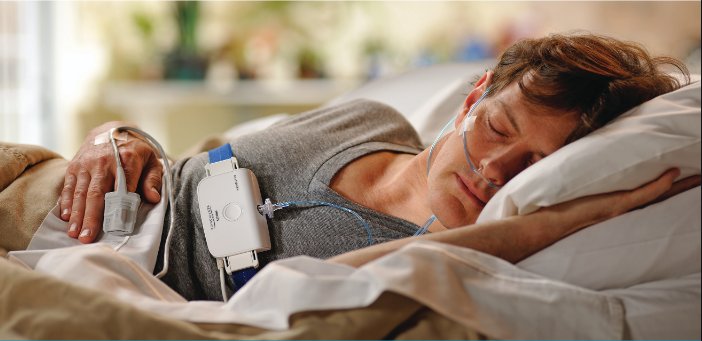
Our sleep tests
Home Sleep Study
What is a home sleep study?
A home sleep study is a simplified sleep test you perform at home. It records your breathing, airflow, oxygen levels and heart rate while you sleep in your own bed.
Who is it for?
Home testing is ideal for patients with a high likelihood of moderate to severe sleep apnea and no significant other medical conditions. The prescribing physician will confirm whether a home study is right for you.
How it works
- Pick up the device at our clinic with simple, clear instructions
- Set it up before bed. It only takes a few minutes
- Sleep normally in the comfort of your home
- Return the device; our specialists analyze the recording
Results and follow-up
A trained professional analyzes your data and a follow-up consultation covers your results and treatment options, such as CPAP therapy.
Lab Sleep Study
What is a lab sleep study?
A lab sleep study (polysomnography) is the most comprehensive sleep test available. In our Montreal sleep laboratory, sensors record your brain activity, eye movements, breathing, oxygen levels, heart rate and leg movements throughout the night.
Who is it for?
A lab study is recommended when a more thorough evaluation is needed or when a home sleep study is inconclusive.
What to expect
You sleep in a private room with your own bathroom while a technologist monitors the recording from an adjacent room. The test is painless and non-invasive; you can read or relax until your usual bedtime.
Results and follow-up
Results are analyzed by trained professionals and reviewed with you at a follow-up visit, where our respirologist discusses your diagnosis and treatment plan.
CPAP Titration
What is CPAP titration?
Titration is the study that finds the right air pressure for your CPAP therapy. During the night, the pressure is adjusted step by step until your breathing events are eliminated and your sleep is comfortable.
Who is it for?
Titration is recommended when starting CPAP therapy, when an initial pressure setting feels uncomfortable, or when follow-up shows that therapy needs adjustment.
In the lab or at home
Titration can be performed in our sleep laboratory, where a technologist adjusts the pressure in real time, or at home with an auto-adjusting device that records your response over several nights.
Results and follow-up
The resulting pressure prescription is reviewed with you, and our team sets up your device before therapy begins.
MWT: Maintenance of Wakefulness
What is the MWT?
The Maintenance of Wakefulness Test (MWT) measures how well you can stay awake during the day in a quiet, low-stimulation environment. It is commonly used to assess daytime alertness, for example for professional drivers, or to verify that a treatment is working.
How the test works
During the day, you complete 4 to 5 sessions of about 40 minutes in which you sit quietly and try to stay awake. Sensors detect the moment you fall asleep.
Why it matters
The MWT provides an objective measure of your ability to remain awake, essential for safety-sensitive activities and for evaluating how well your treatment is working.
MSLT: Multiple Sleep Latency
What is the MSLT?
The Multiple Sleep Latency Test (MSLT) measures how quickly you fall asleep during the day and whether you enter REM sleep. It is the key test for diagnosing narcolepsy and quantifying excessive daytime sleepiness.
How the test works
The MSLT follows an overnight sleep study and consists of four to five short nap opportunities scheduled throughout the following day, each lasting up to 20 minutes.
Why it matters
The pattern of falling asleep, and the presence of REM, helps distinguish narcolepsy from other causes of sleepiness and guides treatment.
How to book a sleep test
- 1
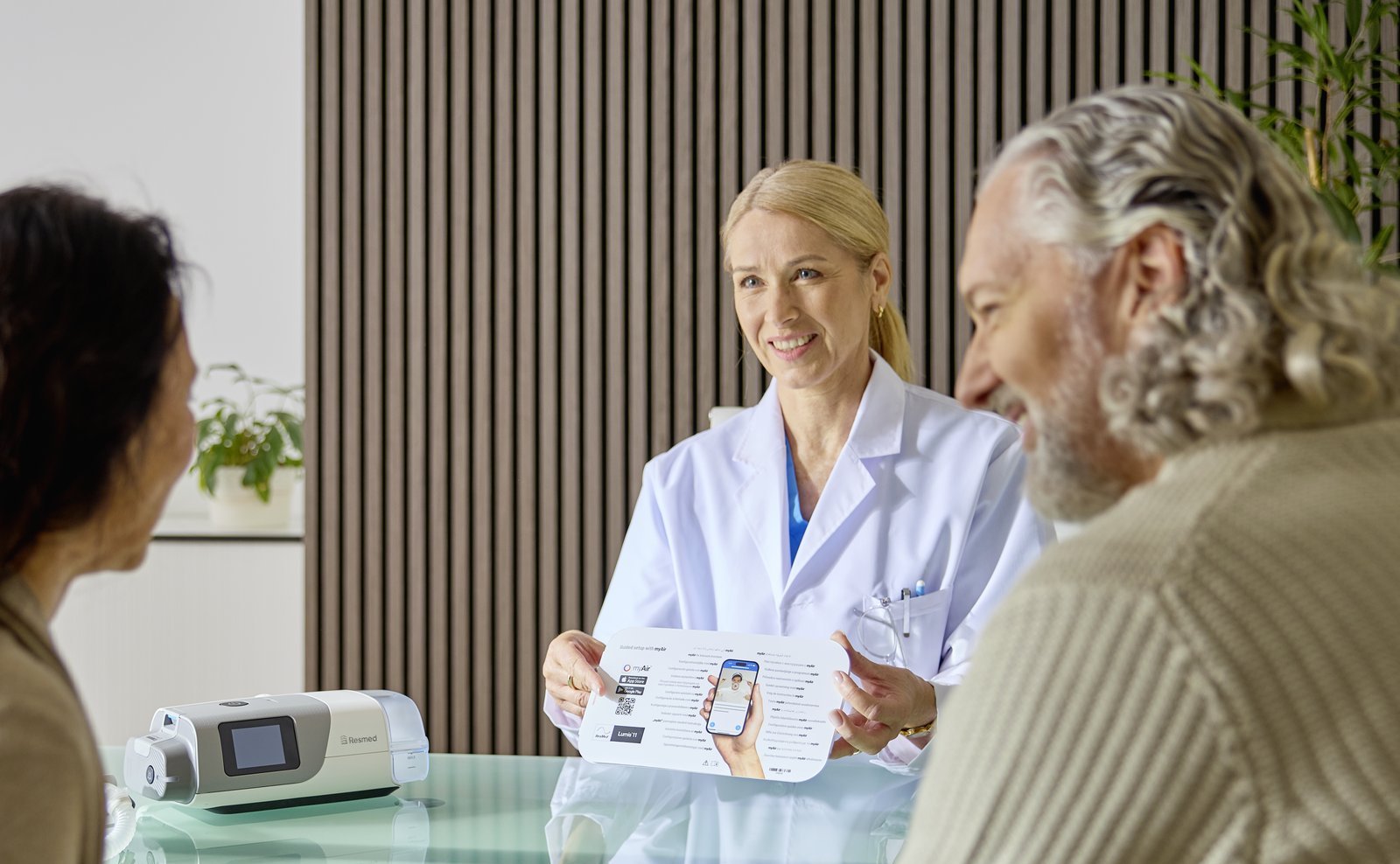
Speak to your family doctor or dentist
They can prescribe a sleep test based on your symptoms.
- 2
Book your test
Contact the clinic with your prescription, and our team schedules your test.
- 3
Perform the test
Spend a night at home or in the laboratory while the recording captures your sleep.
- 4
Review your results
A sleep specialist reviews the findings with you, at our clinic or with your own physician.
Ready to book a sleep test?
Our team will guide you to the right test and walk you through every step.
Book an appointmentFrequently asked questions
Why do I need a sleep study?
Sleep is an active state essential for physical and mental well being. There are many sleep disorder and a sleep study is essential in making a diagnosis.
Will I be able to sleep with all those wires on me?
The electrodes and wires may feel strange in the beginning but do not cause any discomfort. All wires and electrodes are taped and secured so the patient can sleep and change body position in the bed comfortably. It may take longer to fall asleep but the sleep specialists understand that.
How will I sleep in a different bed than mine?
Most hospital labs look like hospital rooms, but our rooms look homey and hotel-like. Every patient has a private bathroom with shower.
What happens after the sleep study?
The data from the sleep study (about 800 pages) is analyzed by a Respiratory therapist or a Registered Polysomnography Technologist and then interpreted by a sleep specialist.